
You find a sweater in their favorite color and realize you have no idea which size to buy. There might be a clue in an old message. Or was that last year’s size, from a completely different shop?
A few useful details beat another hour of scrolling. There’s still room for a surprise. There’s also nothing wrong with buying the exact thing they asked for.
Listen for the specific thing
“Loves coffee” gives you a whole aisle to wander. “Buys whole beans, likes a light roast, already has three travel mugs” gives you a much better place to start.
When a friend points out earrings in a shop window or your partner mentions a cookbook they want, save the name or link. A quick follow-up helps: “That color, or do you like the shape?” Admiring something doesn’t always mean wanting to own it.
A friend who brings a sketchbook everywhere might love a refill of their favorite pens. Someone who has just cleared out a cupboard may be very happy with dinner and no new objects to put away.
And liking something doesn’t mean collecting it. Your friend who loves bees may want flowers for the balcony, not a fifth bee-shaped kitchen accessory.
Find their size. Keep the surprise.
“What’s your shoe size?” three days before a birthday is a fairly loud hint. The same detail can come up naturally when you’re already talking about something they wear.
Start with a jacket you genuinely like: “That jacket looks great. Where did you get it?” If the conversation turns to fit, try “What size did you go with?” or “Did you size up for that roomy fit?” You want the size they chose for that particular jacket, not a guess based on how it looks.
Shoes have an easy opening when someone mentions comfort. “You said those sneakers are really comfortable. Do they run true to size?” If they mention sizing up or down, “What size worked for you?” follows without a sudden change of subject. Keep the brand and model with the answer.
Browsing a shop together? When they pick up a sweater, ask “Would you wear that loose or more fitted?” If they’re thinking of trying it on, “Which size are you going for?” fits the moment.
One question now beats a birthday-eve interrogation. You don’t need every size in one conversation, and you don’t need a cover story. If the opening never comes, ask directly or choose a gift that doesn’t depend on fit. These are conversation starters, not a guarantee they won’t guess.
You’re allowed to ask outright, too
Try: “I’m keeping a few gift ideas for later. Any favorites I should know about, or things you’d rather skip?” That gives them room to answer without promising a present is coming.
If they send a link, take it seriously. In five studies of gift giving, recipients appreciated requested gifts more than unrequested ones. You don’t have to beat their idea with a cleverer one. Their chosen book, with a note tucked inside, can be plenty.
There’s no need to send a full survey because someone mentioned liking tea. If they’d rather leave sizes or other details out, let them. A wishlist link, a favorite shop, or “let’s do lunch instead” can be plenty to work with.
Save these for later
Gift preference questions worth asking
Pick a couple. Leave the rest.
- “Is there something you’ve had your eye on? Send me a link if you have one.”
- “Which size do you buy at that brand, and do you like a loose or closer fit?”
- “Any favorite scents, flowers, or treats? Anything you’d rather avoid?”
- “What do you already have enough of?”
- “Is there a class, outing, or experience you’ve been wanting to try?”
- “What’s something you use all the time and would love a fresh one of?”
Get the detail that makes it usable
A clothing size needs a little context: the brand, the type of item, and the fit they like. For shoes, note the sizing system and range as well as the number: US women’s 8, for example. A US 8 and a UK 8 aren’t interchangeable. Check the size guide for the item you’re buying. Still unsure? Choose something else, or check the return window and include a gift receipt. Final-sale bargains are less charming when the sleeves don’t fit.
“Likes perfume” is a risky shopping brief; the exact name and version of a favorite bottle is useful. If they avoid fragrance, don’t gamble on a candle because the packaging is lovely.
For food, ask about allergies and ingredients they avoid before picking a treat. Read the label each time, even for an old favorite: ingredients can change. If you’re unsure whether it suits them, check with them or choose a non-food gift.
The “please don’t” list may save you the most trouble. No earrings, no houseplants, no more novelty mugs. Write those down with the favorites.
A good gift can be an ordinary thing
The olive oil they use every night. A replacement for a beloved, worn-out notebook. Their favorite bakery order, brought over while it’s still warm.
Picture them using it a month from now. Is it easy to enjoy, or does it need special supplies, a subscription, or a cupboard they don’t have? A gift card to a shop they already use can be a good choice. Check that the amount buys something there without a big extra spend.
Give them something to look forward to
A pottery class, a gig, an afternoon at the gardens. Experiences are worth considering when they already have enough stuff. Research on real gift exchanges found that experiences could strengthen relationships more than objects, even when the giver didn’t join in. That doesn’t make surprise skydiving the answer for everyone.
Before booking, check dates, travel, accessibility needs they want to share, and whether they’d enjoy company or prefer to go alone. Consider extra costs, too. An open-date voucher can leave them more choice, but check its expiry date, availability, and what it actually covers.
If they’ve asked for help with something, offer a specific bit of your time: “Want me to help plant those balcony boxes next Saturday?” is easier to take up than “Let me know if you need anything.” Make it an offer they can decline.
Make it personal. Keep the budget comfortable.
A photo from a trip you still talk about. A handwritten copy of a family recipe. A replacement for the book they lent out and never got back. A shared memory gives you somewhere to start without needing an engraving service or a huge budget.
Pick your spending limit before shopping. A higher price doesn’t automatically mean a better gift, a point gift-giving researcher Francis Flynn discusses in Stanford magazine. If you exchange gifts regularly, agree on a comfortable cap together. And take “no gifts this year” at face value. Ask about getting together instead if that would suit them.
Make your Christmas list before the sales do
Black Friday and Cyber Monday are easier to navigate with a few names, ideas, and spending limits already written down. Start your Christmas or holiday gift list with what each person would enjoy. Then look for the deal. A heavily discounted blender is still the wrong present for someone who asked for concert tickets.
Before buying, compare the exact item’s price at other shops and include shipping in the total. Check the delivery and return policies, especially when a gift won’t be opened until Christmas. Don’t assume an extended holiday return window covers every purchase. Personalized gifts may need extra lead time and may not be returnable.
Stocking stuffers can come from the same notes: the lip balm they always buy, the pen refills they keep running out of, a small treat they can eat. For Secret Santa, stick to the agreed budget and ask for a couple of preferences. You don’t have to know a colleague’s entire wardrobe to pick something they’ll enjoy.
Keep a note. Check it next time.
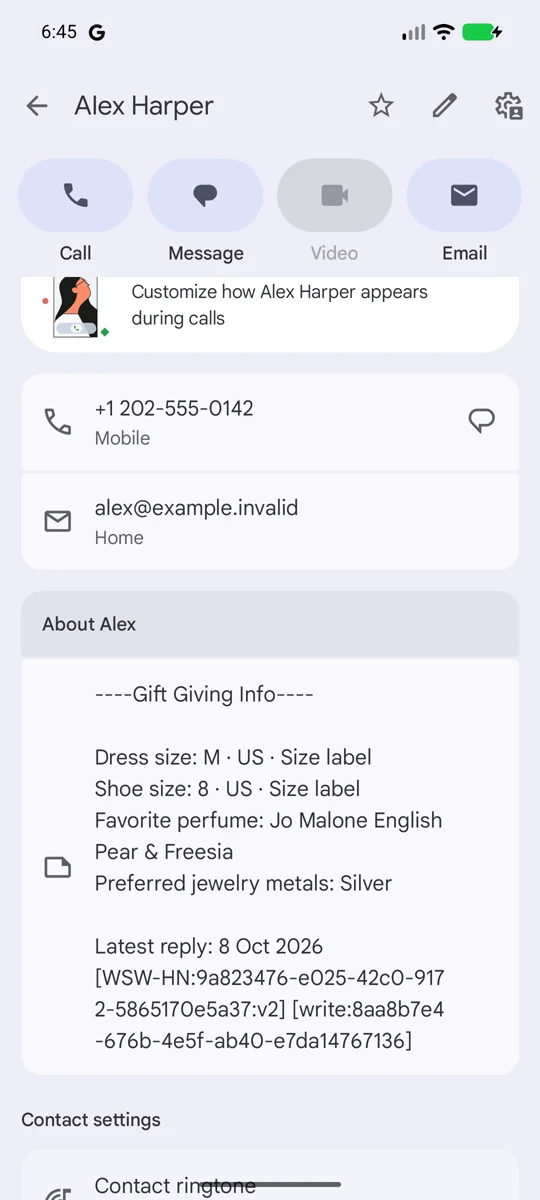
A few lines in a notebook or a contact’s Notes field will do. Save an idea when it comes up, not when you’re trying to remember it in December. Include the date, useful details, and links you were sent. Mark “might like” separately from “asked for.” Keep personal preferences to yourself rather than dropping them into a group chat.
A gift note might look like this
October: loose-leaf green tea; no vanilla scents; interested in a pottery class on a weekend morning. Ask about dates before booking.
Before the next birthday or holiday, give the note a quick check. They may have bought the item, changed sizes, or moved on from the hobby. “Still into pottery?” is an easy question to ask. Cross off anything they’ve already received so last year’s great idea doesn’t become this year’s duplicate.
Then choose what fits your budget, add a note about why you picked it, and let them open it. The card can be as simple as “For your Saturday morning tea.”